
Catering Cost Factors Delaware Clients Should Understand
May 6, 2026
Catering prices can vary widely because no two events are exactly alike. A wedding reception, corporate luncheon, fundraiser, birthday party, holiday celebration, or private family gathering may all require different menus, staff, rentals, setup plans, timelines, and service expectations.
Understanding catering cost factors Delaware clients commonly face helps you plan with fewer surprises. It also makes it easier to compare quotes, decide where to spend, and identify where you can simplify without lowering the guest experience.
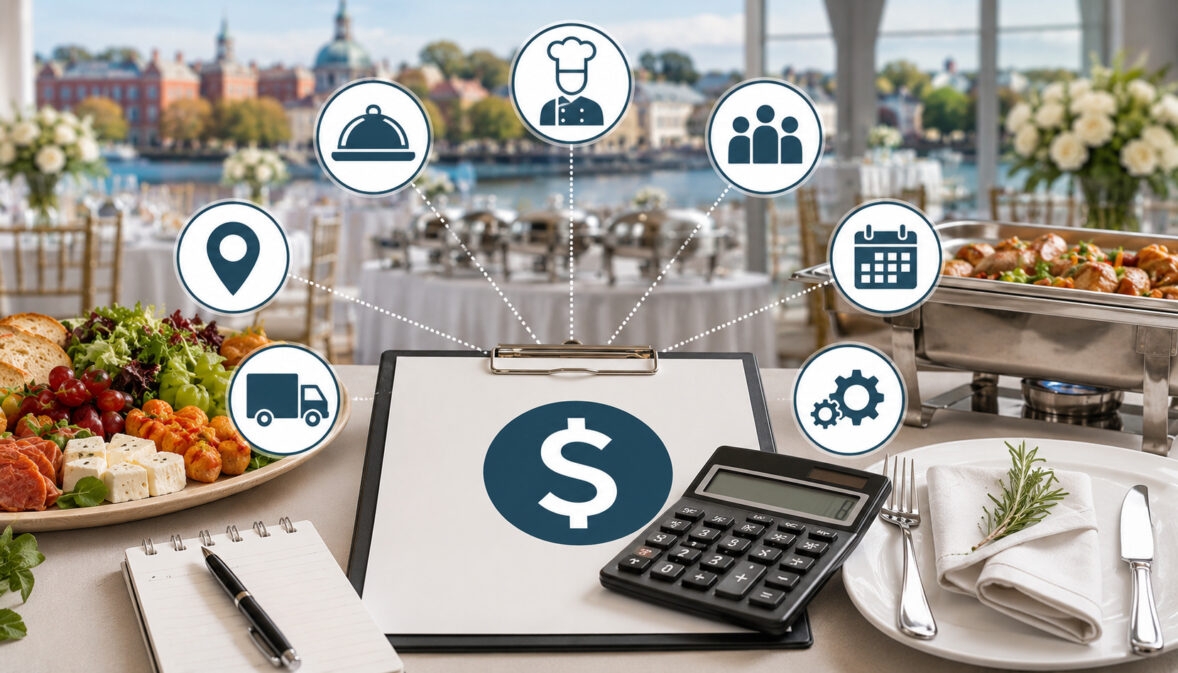
The final price usually depends on guest count, service style, menu complexity, staffing, venue logistics, rentals, beverage service, timing, and contract terms. A backyard buffet for 40 guests will not be priced the same way as a plated wedding dinner for 180 guests or a corporate event with breakfast, lunch, beverages, and cleanup.
This guide breaks down the biggest factors behind Delaware catering prices so you can build a realistic budget and understand what is included in a professional catering quote.
Why Catering Costs Vary From Event to Event
Catering is not just the cost of food. It is the combined cost of planning, purchasing, preparation, transportation, setup, service, staffing, rentals, cleanup, and coordination. That is why two events with the same guest count can have very different prices.
A wedding may require a tasting, timeline planning, cocktail hour, plated dinner, cake service, late-night snacks, bartenders, rentals, and a larger service team.
A corporate lunch may need efficient delivery, labeled meals, beverage stations, dietary accommodations, and a tight schedule. A fundraiser may require passed appetizers, buffet stations, sponsor tables, bar service, and coordination with a venue or committee.
Private parties can also vary. A birthday party in a home may need minimal staffing, while a milestone celebration at a rented venue may require servers, bartenders, linens, chafing dishes, guest tables, and cleanup support.
This is why catering costs in Delaware should always be evaluated by event scope rather than guest count alone. A quote for “100 guests” does not tell the full story unless you know the menu, staffing, rentals, service format, venue conditions, timeline, and expectations.
For planning basics beyond pricing, a helpful resource is this Delaware catering checklist, which covers timelines, venue coordination, staffing, rentals, and event-day details.
Guest Count and Portion Planning
Guest count is one of the biggest catering cost factors Delaware clients should understand because it influences almost every part of the quote. More guests usually mean more food, more beverages, more serving equipment, more staff, more setup time, and more cleanup.
However, guest count is not always a simple “per person” calculation. A 50-person cocktail party with premium hors d’oeuvres and bar service may cost more per person than a 100-person casual buffet. A small event can still require a chef, delivery vehicle, setup crew, rentals, and minimum service fees.
Caterers also plan portions based on the type of event. A lunch buffet, cocktail reception, plated dinner, brunch, grazing table, dessert station, and late-night snack menu all require different portion calculations.
| Cost Factor | How It Impacts Pricing | Why It Matters |
| Guest count | Increases food, beverage, staffing, and equipment needs | Helps determine base budget |
| Service style | Changes labor and setup requirements | Affects total event flow |
| Menu complexity | Impacts ingredient and prep costs | More variety often means higher cost |
| Event duration | Requires longer staffing and food holding time | Can trigger overtime or extra labor |
| Venue logistics | Affects delivery, setup, prep, and cleanup | Difficult access can increase costs |
| Rentals | Adds tables, linens, glassware, flatware, and serving pieces | Often overlooked in budgeting |
| Beverage service | Adds mixers, ice, bartenders, glassware, and permits where applicable | Can significantly affect final cost |
Accurate Guest Counts Reduce Waste and Shortages
Accurate guest counts help caterers order the right amount of food, schedule the right number of staff members, and prepare the correct amount of equipment. If the count is too low, you risk running out of food, slowing service, or needing expensive last-minute additions.
If the count is too high, you may pay for food, rentals, and staffing you do not need. That can create unnecessary waste and reduce money available for other event priorities.
Many catering contracts include a final guest count deadline. After that deadline, the number may become the guaranteed minimum. If fewer guests attend, you may still be responsible for the guaranteed count because the caterer has already purchased ingredients and scheduled labor.
Portion Size and Menu Complexity
Portion planning is not only about how many people are attending. It is also about what they will be served, when they will be served, and how many choices are available.
A light appetizer menu before dinner requires fewer portions than a cocktail reception where appetizers are the main meal. A buffet with multiple entrées, sides, salads, breads, and desserts requires more planning than a simple boxed lunch.
Menu complexity also matters. More stations, sauces, garnishes, dietary alternatives, carving stations, seafood items, dessert displays, and specialty beverages can increase food and labor costs.
For example, a buffet with two entrées may be easier to price than a menu with passed appetizers, salad course, plated entrée options, late-night snacks, and a dessert bar. Each added component requires purchasing, prep, staffing, transport, display, and cleanup.
Catering Service Style and Staffing Costs
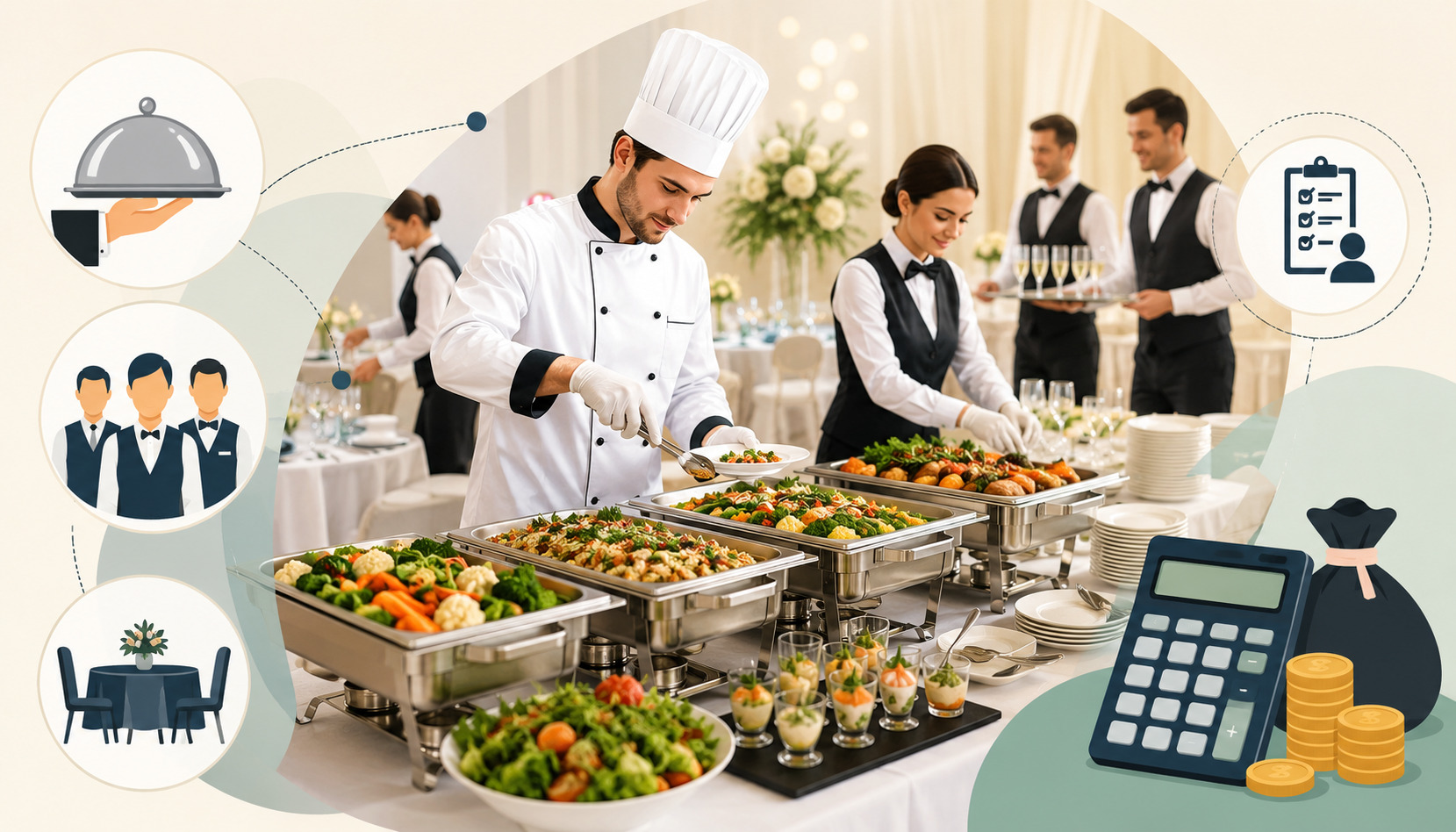
Service style has a major impact on event catering pricing Delaware clients receive. The way food is served affects labor, equipment, timing, guest flow, and presentation.
A drop-off meal may include food delivery and basic setup. A buffet usually requires serving equipment, table setup, replenishment, and cleanup. A plated dinner requires kitchen timing, servers, runners, dish clearing, and a more structured timeline.
Food stations and cocktail receptions can look casual, but they may require more staff than expected. Passed appetizers need servers moving through the event space. Interactive stations may require chefs or attendants. Bar service requires trained bartenders, mixers, ice, glassware, and often extra cleanup.
This is why Delaware catering service costs should be reviewed by service format. The lowest menu price may not be the lowest total event cost if it requires more staff, more rentals, or more setup time.
Buffet vs Plated Service Costs
Buffet catering prices are often viewed as more affordable, but that is not always automatic. Buffets can reduce the need for individual plate service, but they may require larger food quantities because guests serve themselves.
Plated service can feel more formal and controlled, especially for weddings and galas. It may reduce food waste because portions are predetermined, but it usually requires more servers and tighter timing.
Family-style service falls somewhere in between. Food is brought to guest tables on shared platters, which creates a warm dining experience but requires enough serving dishes, table space, and staff to replenish items.
Cocktail receptions and food stations can be flexible and social. However, multiple stations may require separate attendants, more equipment, and careful layout planning.
The best choice depends on your priorities: guest experience, budget, venue layout, timing, and the type of event.
Staffing and Labor Requirements
Catering staffing costs are a major part of the total quote. Staff may include chefs, prep cooks, servers, bartenders, event captains, setup crews, runners, bussers, dish staff, and cleanup teams.
A small drop-off lunch may need only delivery and setup. A large wedding may require a full team for several hours before, during, and after the event. Staff may arrive early to unload, stage food, set tables, prepare stations, coordinate timing, serve guests, clear plates, pack leftovers, remove trash, and reset the space.
Labor also depends on event duration. A four-hour event may still require eight or more labor hours when setup, travel, breakdown, and cleanup are included.
Venue Logistics and Event Location Costs

Venue logistics can significantly affect full-service catering costs. A venue with a commercial kitchen, loading dock, nearby parking, service elevators, prep space, and clear vendor policies is usually easier to cater than a location with limited access.
A beautiful outdoor property, historic venue, beach-area space, barn, private home, office building, or rooftop location may require extra planning. Caterers may need to bring warming equipment, refrigeration, tables, water access, lighting, generators, tents, flooring, trash containers, or additional staff.
Travel distance can also affect pricing. A caterer may charge for transportation, mileage, fuel, tolls, or extended labor if the venue is far from the prep kitchen.
Venue timing matters too. Some venues allow limited setup windows, which may require more staff to complete setup quickly. Others have strict breakdown deadlines, meaning cleanup crews must work faster or stay later.
For venue-related planning, this guide on choosing Delaware catering event venues can help you think through location and event fit.
Outdoor Events and Remote Venues
Outdoor catering can be beautiful, but it often costs more because the caterer may need to build a working service environment from scratch. Unlike an indoor venue, an outdoor location may not have kitchen access, refrigeration, electricity, running water, lighting, shelter, or level ground.
That means the caterer may need portable equipment, generators, coolers, ice, tents, prep tables, trash bins, handwashing stations, and weather backup plans. Food safety is especially important when temperatures, wind, humidity, or rain can affect service.
Remote venues may also require extra transportation time, larger vehicles, or additional staff to move equipment across grass, gravel, sand, stairs, or uneven surfaces.
Venue Rules and Restrictions
Venue rules can influence catering pricing in ways clients may not expect. Some venues require approved vendors, certificates of insurance, specific load-in times, licensed bartenders, trash removal, kitchen fees, fire safety rules, or floor protection.
Limited prep space can require additional equipment or off-site preparation. No open-flame policies may affect menu choices. Strict cleanup requirements can increase labor. If the venue requires all items removed immediately after the event, the caterer may need extra breakdown staff.
Preferred vendor lists can also affect options. Some venues allow only certain caterers, while others charge additional fees for outside vendors.
Reviewing these rules early helps prevent surprise costs. For contract-related planning, this resource on Delaware catering contracts explains terms, payment schedules, guest count guarantees, and service scope.
Food Quality, Ingredients, and Menu Selection

Menu selection is one of the most visible parts of catering, and it plays a major role in catering pricing guide Delaware estimates. Ingredients, preparation time, presentation, portion size, and customization all affect cost.
Premium meats, seafood, artisan cheeses, specialty desserts, custom sauces, fresh herbs, imported ingredients, and made-to-order stations generally cost more than simpler menu items. That does not mean you need to choose the cheapest menu. It means you should understand how each choice affects the total budget.
A simple but well-planned menu can feel generous and polished. A complicated menu with too many options can stretch the budget and make service harder.
Menu format also matters. Passed appetizers require labor. Carving stations require attendants. Plated meals require timing and service staff. Dessert displays require setup and presentation. Late-night snacks require extended staffing.
Seasonal and Local Ingredient Availability
Ingredient pricing changes throughout the year. Produce, seafood, specialty meats, and certain menu items may cost more when supply is limited or demand is high.
Seasonal planning can help control costs. A menu built around readily available ingredients is often easier to source, fresher, and more predictable. It can also make the meal feel connected to the season and event setting.
For example, lighter menus may work well for warm-weather celebrations, while hearty entrées and warm sides may suit cooler-weather events. Seasonal desserts, salads, and vegetable sides can add variety without overcomplicating the menu.
Ask caterers which ingredients are reliable for your event timing. They may suggest substitutions that preserve the experience while keeping pricing reasonable.
Dietary Restrictions and Specialty Menus
Dietary accommodations are important for guest comfort and safety. Vegetarian, vegan, gluten-free, dairy-free, allergy-sensitive, kosher-style, halal-style, low-sodium, and other specialty requests may require additional planning.
Some accommodations are simple, such as offering a vegetarian entrée or clearly labeling buffet items. Others require separate preparation, ingredient verification, dedicated utensils, or careful cross-contact prevention.
Specialty menus can affect labor because staff may need to track meals, communicate with guests, plate separate dishes, or coordinate with the kitchen. Ingredients may also cost more if they are specialty products.
Rentals, Equipment, and Additional Services
Rentals can be one of the most overlooked parts of catering quote breakdown planning. Food may be the first thing clients think about, but many events also require tables, chairs, linens, napkins, plates, glassware, flatware, serving utensils, buffet tables, chafing dishes, trays, bars, tents, heaters, lighting, and trash containers.
Some venues include these items. Others provide only the room. Private homes and outdoor venues often require more rentals because there may be no built-in event infrastructure.
Rental costs also depend on style. Basic plates and linens will cost less than specialty glassware, upgraded chairs, premium linens, lounge furniture, or custom serving displays.
Equipment needs may also include warming cabinets, refrigeration, coffee urns, beverage dispensers, carving boards, induction burners, portable sinks, and prep tables. These items support food safety and service quality.
Beverage and Bar Service Costs
Beverage service can be simple or complex. A basic non-alcoholic beverage station may include water, iced tea, lemonade, coffee, cups, ice, and setup. A full bar may include bartenders, mixers, garnishes, ice, glassware, bar tables, permits where required, and liability considerations.
Alcohol service may be priced as a package, consumption-based service, client-provided bar setup, or venue-managed bar. Each option has different cost implications.
Bartender staffing depends on guest count, event duration, drink complexity, and expected service speed. Signature cocktails may require more prep than beer and wine service. Glassware rentals can also add cost.
If alcohol is part of your event, review rules early. Venue policies, licensing requirements, insurance, age verification, and service limits can affect the plan.
Setup, Cleanup, and Event Coordination
Setup and cleanup are real labor expenses. Staff may need to unload vehicles, place tables, set linens, arrange buffet stations, fill water glasses, set place settings, stage appetizers, prepare the bar, coordinate with the venue, and troubleshoot timing.
After the event, the team may clear plates, pack equipment, handle leftovers according to policy, remove trash, break down rentals, clean service areas, and load vehicles. This work often happens when guests are gone, but it is essential to closing the event properly.
Event coordination also has value. Caterers often communicate with planners, venues, rental companies, florists, DJs, photographers, and hosts to keep the timeline moving.
How to Build a Realistic Catering Budget
Good catering budget planning starts with priorities. Before comparing quotes, decide what matters most: food quality, formal service, bar experience, menu variety, convenience, presentation, or budget control.
Start with your guest count and event type. Then choose a service style that matches the occasion. A corporate training lunch may not need the same level of service as a wedding reception. A family gathering may work well with buffet service, while a formal gala may require plated courses.
Next, separate must-haves from nice-to-haves. Must-haves may include enough food, safe service, dietary accommodations, staffing, and required rentals. Nice-to-haves may include premium linens, elaborate dessert displays, multiple entrée choices, or late-night snacks.
A realistic budget should include:
- Food and menu items
- Service staff and kitchen labor
- Delivery and transportation
- Rentals and equipment
- Beverage and bar service
- Setup and cleanup
- Taxes, service charges, and gratuity
- Overtime or late-night fees
- Venue-related requirements
Tips for Comparing Delaware Catering Quotes
When reviewing Delaware catering prices, do not compare proposals by the headline number alone. A lower quote may exclude staffing, rentals, delivery, cleanup, gratuity, taxes, or bar service. A higher quote may include more complete service.
Look closely at what is included. Does the quote cover setup? Are servers included? How many hours of service are listed? Are rentals included or estimated separately? Does the quote include beverage service, ice, cups, plates, flatware, napkins, and serving equipment?
Also review the contract terms. Guest count deadlines, deposit rules, cancellation terms, payment schedules, overtime rates, and menu change policies can affect your final cost.
A good comparison looks at value, clarity, and fit. The best caterer is not always the cheapest. It is the one that understands your event, communicates clearly, prices transparently, and can execute the plan reliably.
For vendor evaluation, this guide on how to choose the right caterer in Delaware offers useful questions and selection considerations.
Common Mistakes That Increase Catering Costs
Several common planning mistakes can raise catering costs in Delaware or create avoidable stress. One of the biggest is booking too late. Last-minute planning can limit menu options, staffing availability, rental inventory, and venue coordination time.
Another mistake is changing the guest count repeatedly. Some changes are normal, but frequent adjustments can affect ordering, staffing, and production planning.
Overcomplicated menus can also increase costs. Offering too many entrées, stations, appetizers, desserts, and specialty items may require more ingredients, more prep time, more staff, and more serving equipment.
Ignoring venue logistics is another costly issue. Stairs, limited parking, no kitchen access, strict load-in windows, outdoor conditions, and cleanup rules can all affect labor and equipment needs.
Contract misunderstandings also cause problems. Clients should review service charges, gratuity, taxes, overtime, cancellation policies, final count deadlines, rental responsibilities, and leftover policies before signing.
Best Practices for Managing Catering Costs
Managing costs does not mean cutting corners. It means making smart choices that protect the guest experience while avoiding unnecessary expenses.
Book early when possible. Early planning gives you more time to compare quotes, secure staff, reserve rentals, plan the menu, and coordinate venue requirements.
Keep the menu focused. A smaller menu with strong execution often works better than a large menu with too many moving parts. Seasonal ingredients, efficient buffet layouts, and shared sides can help control costs.
Confirm your guest count as early as you can. Clear RSVP tracking helps prevent over-ordering and reduces the risk of shortages.
Choose a service style that fits your event. A buffet may work well for casual parties and fundraisers. Plated service may suit formal weddings. Drop-off catering may be appropriate for office lunches or small private gatherings.
Communicate clearly with vendors. Share venue rules, timeline details, dietary needs, floor plans, parking information, and contact names early.
FAQs About Catering Costs in Delaware
What affects catering costs the most?
Guest count, menu selection, service style, staffing, rentals, venue logistics, and event duration usually have the biggest impact on catering costs. Food is important, but labor, setup, cleanup, and event logistics can also significantly affect the final price.
How do catering companies calculate pricing?
Catering companies usually calculate pricing based on food costs, labor, rentals, equipment, transportation, service time, event complexity, and overhead. Some caterers charge per person, while others provide a detailed quote that separates food, staffing, rentals, delivery, and service fees.
Is buffet catering cheaper than plated service?
Buffet catering is often less expensive than plated service because it may require fewer servers. However, buffets can require more food since guests serve themselves. Plated meals may control portions better, but they usually involve higher staffing costs.
Do catering quotes include staffing and rentals?
Some catering quotes include staffing and basic serving equipment, while others list these costs separately. Rentals such as linens, tables, chairs, plates, glassware, flatware, and tents may not be included unless they are clearly stated in the proposal.
Why do outdoor events cost more to cater?
Outdoor events often cost more because caterers may need to bring additional equipment such as tents, generators, refrigeration, lighting, prep tables, serving stations, and weather backup supplies. Remote or outdoor venues can also require more transportation and setup labor.
How can I reduce catering expenses without lowering quality?
You can reduce catering expenses by simplifying the menu, choosing seasonal ingredients, confirming guest counts early, limiting unnecessary stations, and selecting a service style that fits your event. Focusing on food quality and efficient service often delivers better value than offering too many options.
What questions should I ask about catering contracts?
Ask about deposits, final payment dates, cancellation terms, guest count deadlines, overtime fees, service charges, gratuity, rental responsibilities, cleanup scope, menu changes, and alcohol service policies. Make sure all important details are included in writing.
How far in advance should I book a caterer?
It is best to book a caterer as early as possible, especially for weddings, corporate events, fundraisers, holiday parties, and larger private celebrations. Early booking gives you more menu options, better staffing availability, and more time to coordinate venue requirements.
Conclusion
Understanding catering cost factors Delaware clients face makes event planning more predictable and less stressful. Guest count, menu choices, service style, staffing, venue logistics, rentals, beverage service, timing, and contract terms all influence the final price.
The goal is not simply to find the lowest quote. The goal is to understand what you are paying for, compare proposals fairly, and choose a catering plan that fits your event, budget, and guest expectations.
Whether you are planning a wedding, corporate event, fundraiser, birthday party, holiday celebration, family gathering, or private event, thoughtful planning helps you avoid surprise expenses.
With clear priorities, accurate guest counts, realistic budgeting, and careful quote review, you can create a smooth catering experience that feels organized, generous, and worth the investment.